
How does reference analysis help create unique interiors? Discover how analyzing references transforms inspiration into practical, beautiful, and functional solutions.
Analyzing Analogies in Interior Design: How to Use References to Create Unique Projects
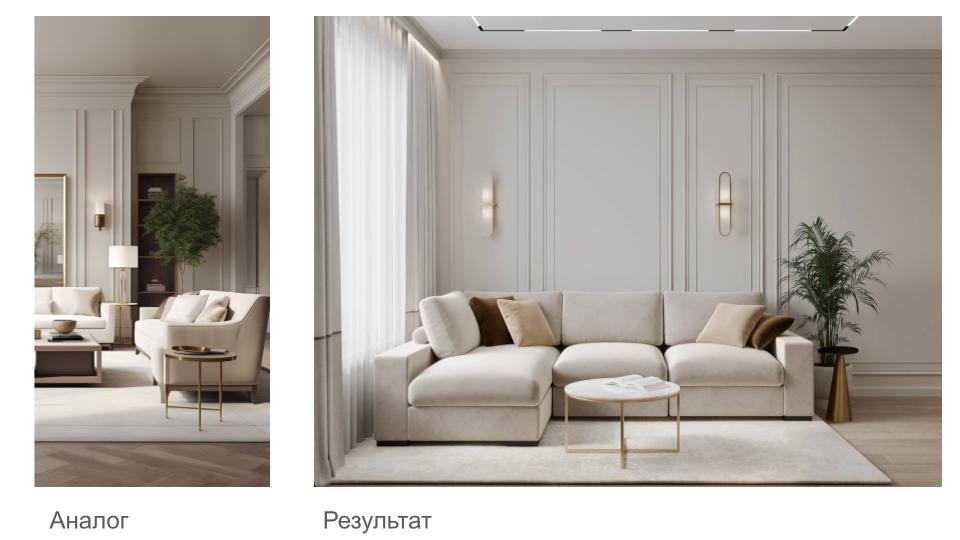
When you start designing an interior, it feels like the whole world is at your feet. You are like a magician, ready to create something incredible that will combine style, functionality, and individuality. But what do you do when inspiration fades, and instead of a “floating” bed or an elegant console table, you see only empty space and thoughts about how to meet deadlines?
This is where analogies come to the rescue. Yes, you heard that right. The word “analogy” in the context of interior design is not a curse but a salvation for those who face the need to quickly and effectively gather a concept.
The Fear of Copying and Borrowing
First, let’s address a popular myth. Every designer, especially clients, fears one thought — copying someone else’s ideas. Oh, how scary! Borrowing is almost like stealing! How can that be? Where is individuality? What kind of designer are you if you simply repeat what others have already created? I’ve heard this thought many times, and most designers, when faced with such a situation, start racking their brains trying to come up with something completely new.
But here’s an important thought: analogies are not theft. Analogies are tools for creating something unique and inspiring.
Why reinvent the wheel when you can adapt ideas that already exist in the world around us? This doesn’t mean we are copying; it means we are drawing inspiration from what has already been created and using it as a foundation for something new. It’s like taking an old recipe for grandma’s pies and adding your own spices.
Analogies Are Not Just Copying, But Inspiration
Now let’s look at how analogies can be used in interior design. Analogies can be figurative, functional, and direct. Each of these concepts carries unique value and helps the designer not only structure the space but also find depth and emotion in the project.
Figurative Analogies
This is real magic. It’s when you look at something and suddenly realize: “This is the very element I need to use!” For example, you see a floating building in architecture and understand how to create a floating bed or a console table. It’s a play with sensations, it’s the WOW effect that often takes your breath away.
Here’s an example: my client, Irina Vladimirovna, fell in love with the palette of El Greco, not just the colors, but how light and shadows interact in the master’s paintings. But, as you understand, such palettes are not suitable for interiors. So what did we do? We found an analogy that was connected to the same emotions — we transferred the effect of light and shadow into textures, creating a completely unique atmosphere in the room. Copying? No, just inspiration and adaptation.
Interior Created in the Spirit of El Greco’s Palette
Functional Analogies
This is like that good kitchen knife you use for years because it’s perfect for all tasks. For example, in one of our projects, when we were working on a TV stand that became a true engineering marvel, we faced a whole range of tasks — from hiding wiring to mounting for a home theater with an acoustic system and built-in speakers.
Instead of inventing everything from scratch, we utilized already proven solutions that had been used in other projects. We carefully worked through all the joints with the involvement of specialists in acoustics, multimedia, and automation. We found reliable German mounts for console tables that were perfect for this project. By using these solutions, we ensured reliability and functionality, and most importantly — avoided mistakes and saved time by implementing elements that had already been tested in practice.
The Myth of the “Innovative Designer” and the Example of Alexey Sergeyevich
All these analogies we just discussed are not only tools but also the destruction of the myth that a designer must invent everything from scratch. Do you want every project to be like a new string theory? No, that won’t work. Even great designers were inspired by what already existed. Mother Nature and culture are here to help us!
Imagine you are a designer who does not use analogies. Would you really come up with a completely new solution for every element of the interior, without borrowing anything from what already exists? I think you wouldn’t finish a single project in your lifetime.
Why Do Clients Love Such Interiors?
People love fresh interiors, but they don’t want everything to be impractical. How do you create a space that is not only unique but also comfortable? Analogies, like the right spice in a dish, make the interior more rich, deep, and intuitively understandable for the user.
Now imagine that a designer does not work with analogies. They would immediately rush into the design, trying to “invent” everything from scratch. What if during the process they don’t look up and see what the surrounding world has already created before them? They would be like that person trying to create their own internet in the age of Wi-Fi.
How to Properly Interview a Client About Analogies?
For working with analogies to be truly productive, a designer must be able to properly interview the client and identify their true needs and expectations. Here are some tips for conducting a successful interview:
- Start with analyzing the client’s current space. Ask the client to show photos of their current interior to understand what they like and what makes them uncomfortable. This will help avoid misinterpretations in the future.
- Ask the client for examples. This can be not only interiors but also art objects, architectural elements, or even fashion that they like. This will open additional layers for inspiration.
- Discuss not only “what they like” but also “what they don’t like.” This can be more useful, as many hidden preferences can be revealed through negative examples.
- Use analogies as a means for empathy. Ask the client to explain how they feel when they see certain elements of the interior. This will help you understand what emotions and moods they want to evoke in their space.
- Help the client open up by asking questions. For example, ask: “What would you like your interior to say about you?” or “What atmosphere do you like?”. These questions will help delve deeper.
- Periodically return to reference images and discuss them. Ask the client not just to explain what they like but also to analyze why they chose these examples. This will give you the key to uncovering their true needs.
Conclusion: Analyzing Analogies Is Not Shameful
Now that we have dispelled the myths about “stealing” ideas, let’s summarize. Working with analogies is not only normal, it is a necessary part of the creative process that helps create comfortable, unique, and inspiring interiors. We do not copy — we adapt and transform ideas, draw inspiration, and find the best solution.
So don’t be afraid to work with analogies. Use them as a tool for creating your unique projects. And of course, remember that there is nothing new under the sun — it’s just a new adaptation of what works.