
Learn how to differentiate good design from bad. Discover the philosophies, criteria, and nuances that create the perfect interior tailored to your style.
Understanding where good design ends and bad design begins is not as simple as it seems at first glance. Nevertheless, everyone considers themselves an expert on comfort. People can easily determine whether they like a particular space and what feelings it evokes. I have not encountered anyone who would admit to not understanding design and feeling unqualified to evaluate it.
However, intuitive evaluation is only suitable for interiors created specifically for you. The quality of someone else’s design cannot be assessed solely by your feelings.
As a result, confusion arises, much like in contemporary art. The boundaries between good and bad blur, and there is no universally correct opinion. Statements like “The artist sees it this way” or “So bad it’s good” emerge. Bad design begins to disguise itself as good, mimicking and creating a “theater of design” — an illusion that attracts attention and helps sell, even though it is essentially “anti-design.”
Author’s Design: To Surprise or Solve Problems?
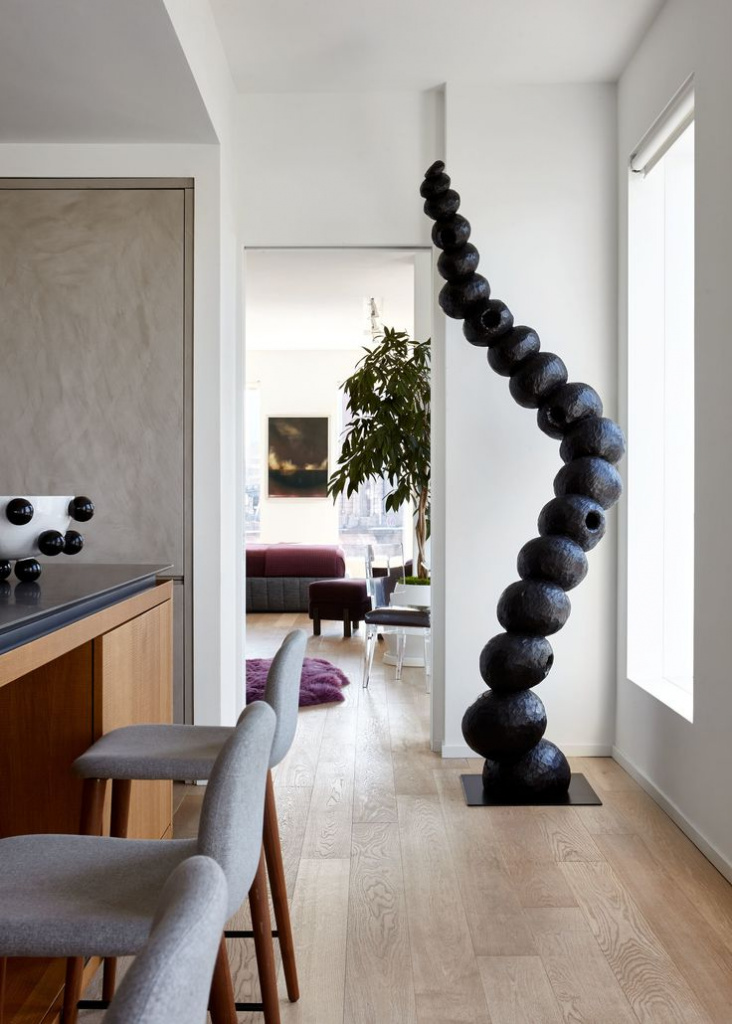
The goal of author’s design is to stand in opposition to mass-produced, conveyor-belt products. To stand out through new visual techniques, forms, and concepts.
Designers who attend the Milan exhibition often draw inspiration from new trends. They return with the thought that trends from Italy should be incorporated into their projects. This way, they can be “on trend” and charge a premium for their services. After all, good interior design is a combination of items with good design.
However, good design is not just about following fashion. In this article, we will explore clear criteria that will help distinguish quality interiors.
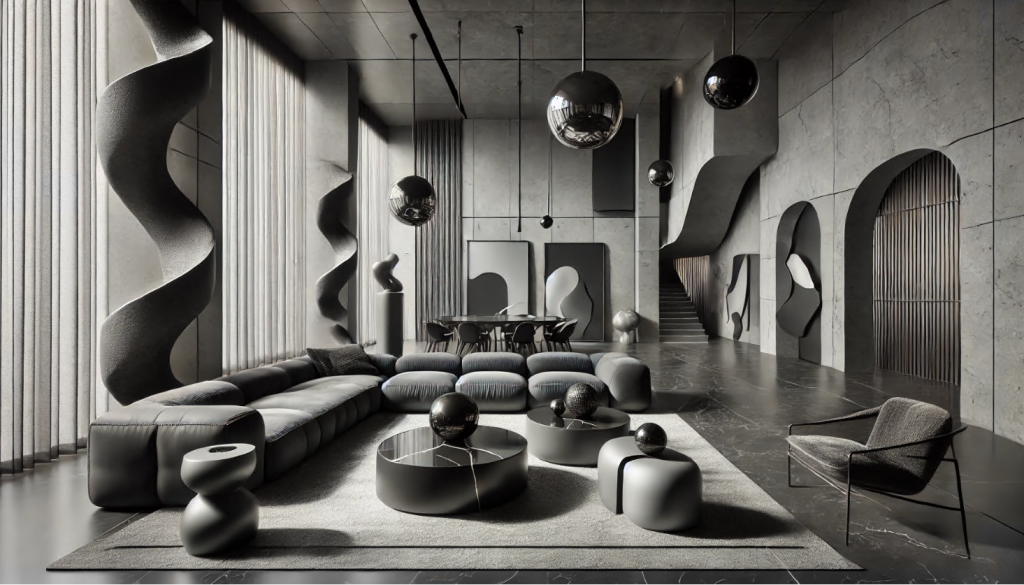
Design with Philosophy
Some philosophies embedded in design are understandable to most people. For example:
- Minimalism — a counter to the cult of things and unlimited consumption.
- Wabi-sabi — a denial of the cult of perfection, which provokes stress due to unattainable standards.
- Eco-friendly consumption — aimed at reducing the destructive impact of excessive consumption.
Such approaches form the basis for interiors with deep meaning, where aesthetics combine with ethics.
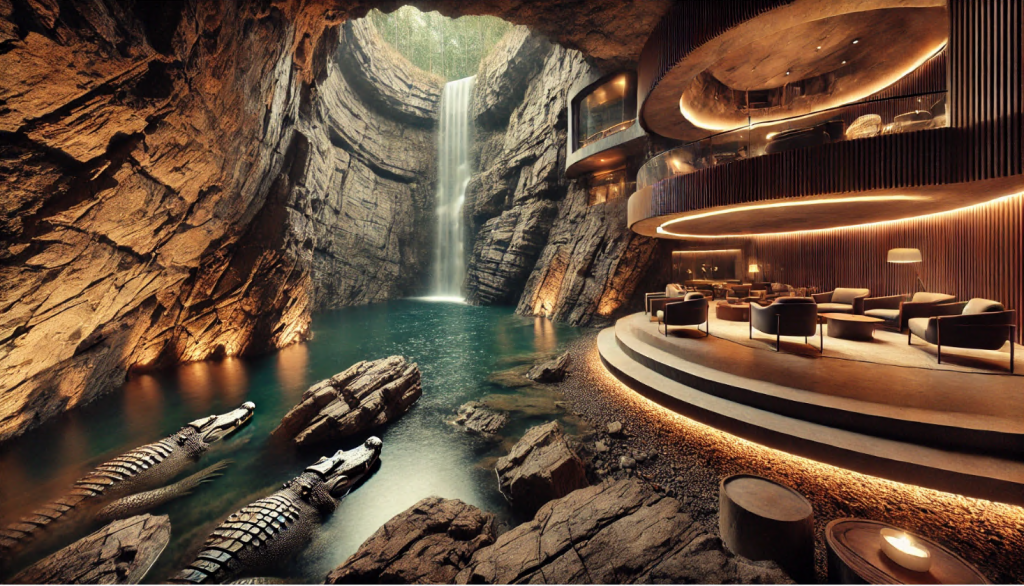
Surface Perception of Interior
People immediately pick up on certain characteristics of an interior:
- Comfort and functionality: Low light fixtures and open shelves that collect dust are examples of what viewers notice instantly.
- Color scheme: A monochromatic or overly restrained palette is perceived as dull. Warm, beige tones with color accents often evoke a sense of coziness.

- Clutter: An excess of items creates chaos, while a lack of them creates emptiness.
- Space: A cramped room causes discomfort, while an empty one feels cold.
- Complexity: An overload of details creates visual noise, while simplicity may seem unexpressive.
An example of a typical popular color scheme. The image is intentionally blurred to avoid distractions from details. Taken from the website of a design studio and edited in Photoshop.
These aspects are important, but relying solely on them means limiting oneself to a minimally viable product rather than a full-fledged design.
Criteria for Good Design
Good interior design can be compared to tailoring a suit:
- From a couturier: striking, flamboyant, suitable for going out.
- From a craftsman: tailored to fit, highlighting strengths and concealing weaknesses. Such a suit is comfortable to wear.
- A cheap suit: worn once, after which it gathers dust in the closet.
Good design is born only from high expectations of the client. It:
- Considers individual life scenarios.
- Creates a sense of flow: items are where you expect them to be.
- Eliminates excess noise — visual, informational, physical.
- Meets expectations: functionality without surprises.
- Looks to the future, anticipating needs.
Signs of Good Design
Practical tips to help quickly determine the quality of design:
- Attention to detail: small things demonstrate quality.
- Context: the story of who the interior was created for and what tasks the designer solved.
- Complexity of the task: the more interesting it is, the better the result.
- Emotions: good design elicits a response — from admiration to a sense of calm.
- Integrity: “nothing to add, nothing to take away.”
- Quality of materials: durable, practical solutions are the foundation of good interiors.
- Irreproachability: if the design cannot be improved, it has succeeded.
Frequently Asked Questions
How to distinguish good interior design from bad?
You can distinguish good design from bad by relying not only on your feelings but also on clear criteria: compliance with functionality, ergonomics, aesthetics, and individual client needs.
What philosophies are applied in interior design?
Interior design employs philosophies such as minimalism (anti-consumerism), wabi-sabi (denial of the cult of perfection), and eco-friendly consumption (reducing the destructive impact of excessive consumption).
What do people immediately notice in an interior?
People immediately pay attention to the comfort of furniture, color scheme, fullness of space, room sizes, and complexity of interior details.
What criteria define good interior design?
Good interior design considers the individual life scenarios of the client, creates a sense of flow, eliminates excess visual and informational noise, meets expectations, and anticipates needs.
What are the signs of good interior design?
Good design is characterized by attention to detail, presence of context, emotional response, integrity, use of quality materials, and the impossibility of improving the project without losing its integrity.
Why does good interior design often go unnoticed?
Good design is created with consideration of context, tasks, and functionality, making it unnoticed by the untrained eye but maximally convenient and harmonious for users.