
An interior decorator creates warmth from nothing, blending exquisite taste with professional secrets to elevate any space.
Decorating
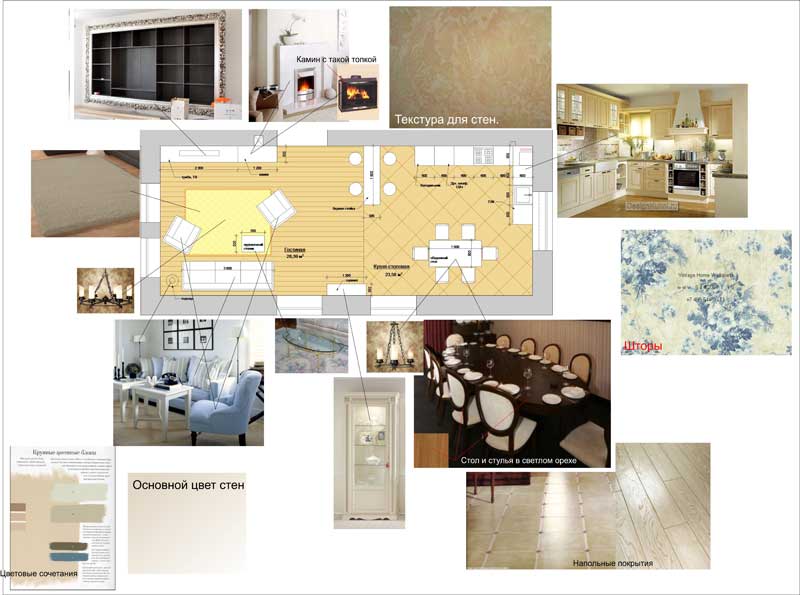
Many architects look down on interior decorating, considering this work to be something secondary and unimportant. Creating a large-scale, object-oriented environment and filling the interior with details that emphasize the architectural idea is a meticulous task, the professional execution of which makes the interior flawless and cohesive. Decorating involves selecting colors and textures, furniture and decor. The main criterion in decorating is maintaining a sense of proportion and adhering to the style of the space.
Interior items are compared to each other, evaluated in terms of style purity and appropriateness in the given setting. An interior decorator, following the design project, moves from the general to the specific, enriching the interior with exclusive details, creating an individual character for the living space. The main motto of a designer-decorator should be the slogan “do no harm.” Exclusivity and luxury should always be somewhat scarce, thereby emphasizing the significance and weight of details and accessories.
A love for details and respect for the authenticity and history of items in the interior serve as a tuning fork for the professionalism of a connoisseur of richly decorated interiors. The richness of decor manifests not in quantity, but in quality or even meaningful expression.
The dust of centuries and the patina of history, the artistic value and exclusivity of accessories, props, and attributes of the interior set the bar for perception, telling about the tastes and preferences of the residence’s owner, their intellectual and cultural level. The work of decorating does not tolerate haste. It is a noble and lengthy process, akin to creating an image and reputation. Interior design is a starting point that creates a generalized idea of the future interior, which still needs to be refined and perfected.
Main Tasks in Decorating
- Choosing the color scheme of the interior.
- Selecting finishing materials
- Selecting furniture
- Selecting textiles
- Selecting decorative elements
The art of a designer’s work lies in ensuring that all interior details come together to form a single harmonious picture. The true mastery of a designer can only be appreciated at the very last stage of the renovation. This is why trust in the designer as a professional is of great importance. When finishing materials are chosen by an ordinary person, they tend to view each element separately, torn from the context of the overall picture.
An interior item or material is usually evaluated based on the criterion: “like or dislike.” This approach will never lead to the creation of a harmonious and cohesive result. A separate element of the interior may not look striking or impressive on its own, but it will likely highlight other details of the interior, connecting them together.
This important moment gives special significance to the creation of the interior design project. Even more crucial in the implementation of the design project is the strict adherence to the project and the designer’s recommendations. One incorrectly chosen detail of the interior can nullify all efforts to create a harmonious space.
See also: cost of cottage design, interior design in Krasnodar, price of store design project.
Did you like the article?