
Have you ever considered the significance of light in our daily lives? Light fills our spaces, highlighting some objects while casting others in shadow. Today, we can harness light to create new atmospheres and accentuate architectural features.
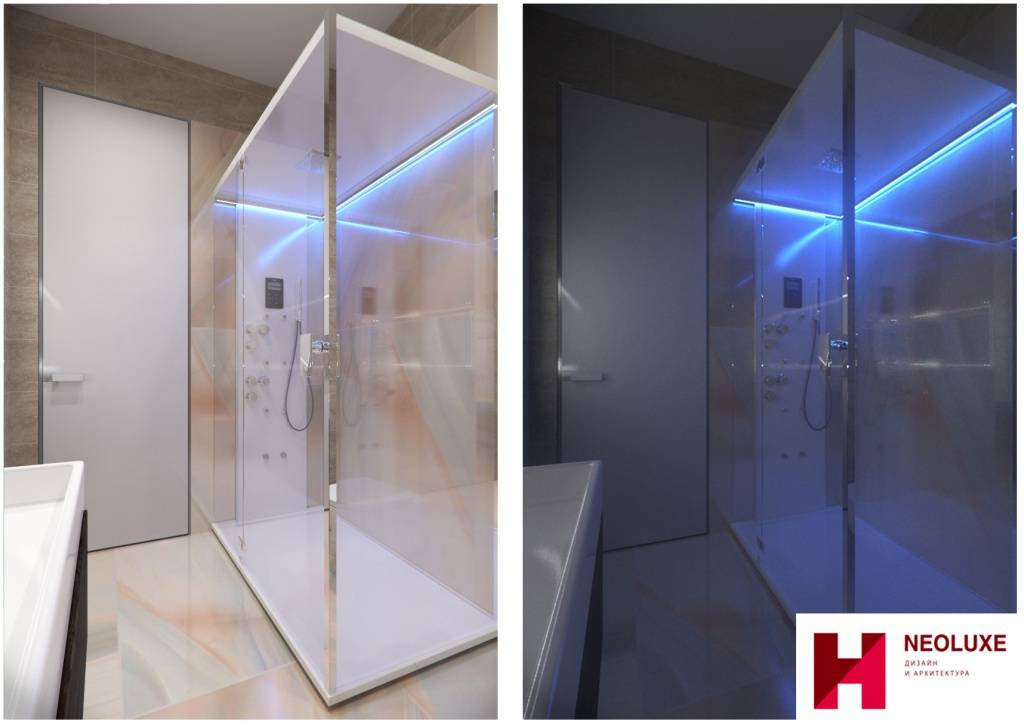
Have you ever thought about how much “light” means in our everyday lives? Reflecting off all surfaces, light fills our space, illuminating some objects while casting others in shadow. Lighting a room seems like a simple and natural process, yet today it has become possible not only to harness the element of light but also to make it work for us: creating new images, setting the atmosphere, highlighting architectural and interior features of the space, zoning areas, and creating light accents.
Light can direct a person’s attention, set a certain mood, hide flaws, and expand the boundaries of space. These possibilities and mysteries of light are widely used by professional artists, who can create the right mood for their canvas with just one light accent. Surprisingly, modern interior designers often underestimate the full potential of lighting design or do not utilize it completely.
Typically, in 90% of cases, lighting calculations are not even included in design project estimates. This is a mistake, because just as properly created lighting can enhance the overall interior solution, improper lighting can completely ruin it. That is why it is so important today to find a specialist who can effectively highlight the interior design with lighting and create a cozy atmosphere. Thus, a new independent direction in interior design has emerged today — lighting design, which includes the following types of lighting: general, functional, local (accent), and decorative.
I would like to specifically focus on the functionality of lighting in the interior. By successfully choosing functional lighting, one can comfortably define the space for different everyday situations. After all, at different times of the day, the interior is perceived differently. Natural evening light differs from daytime light — it changes the colors of walls and objects, creating varying depths of shadows. Bright daylight, on the other hand, is more contrasting than evening light. The direction the room faces and the size of the windows largely determine the function of the room and the arrangement of furniture, as well as the wall colors and materials used in the interior design. Such interior features are important not only to consider but also to emphasize in some cases and correct in others, as insufficient or excessive lighting can harm our health.
For example, scenarios for comfortable lighting in the living room:
- Grand lighting. All lights are on.
- Breakfast. The sink and bar counter are illuminated.
- Reading. Books, the desk, and the TV are illuminated.
- Relaxing. Minimal lighting. Wall lamps and floor lamps are on.
And still, the main tenet on which the foundations of lighting design are built is that the best interior lighting is natural, and artificial lighting should be as close as possible in all its characteristics to natural light for comfortable perception. Working with light is the art of creating soft and comfortable lighting, without which it is extremely difficult to create a truly cozy interior.
See also: office interior design in Krasnodar, interior designer services, apartment interior design – price per square meter.
Did you like the article?