
Children’s Room
Designing a children’s room, as well as a children’s bathroom (if one is planned), should be as safe as possible. When designing a children’s room, try to avoid sharp corners and unstable furniture. Do not try to make the design of the children’s room “timeless,” as it will need to be changed several times over time to suit the child’s age. The children’s room is multifunctional and also implies zoning, as this is where the child sleeps, rests, studies, and invites friends. The children’s room should always be well-lit, and its design should be done in light, non-stimulating colors. For the children’s room, it is necessary to choose furniture made exclusively from natural, eco-friendly materials.
When designing rooms for children, the child’s gender and age, as well as their interests and color preferences, are always taken into account. Designing children’s rooms is quite challenging. This is primarily due to the fact that a child cannot adequately articulate their wishes, and the task of designing is almost always set by the child’s parents. Another difficulty in designing children’s rooms is that children grow, and their tastes and preferences change. The functionality of this room should also change.
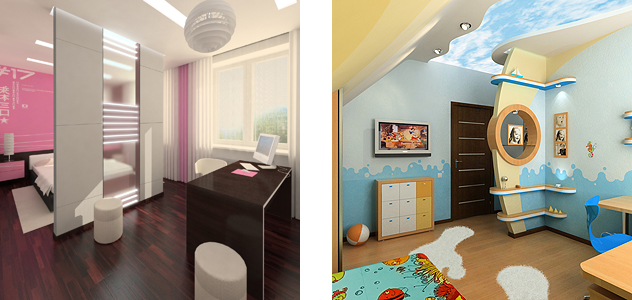
Children’s Room in Japanese Style. Children’s Room in Nautical Style

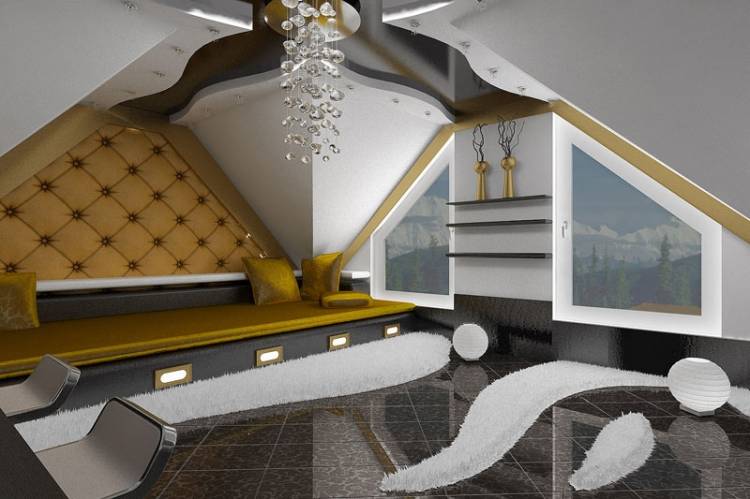
Project of a Children’s Music Room in the Attic
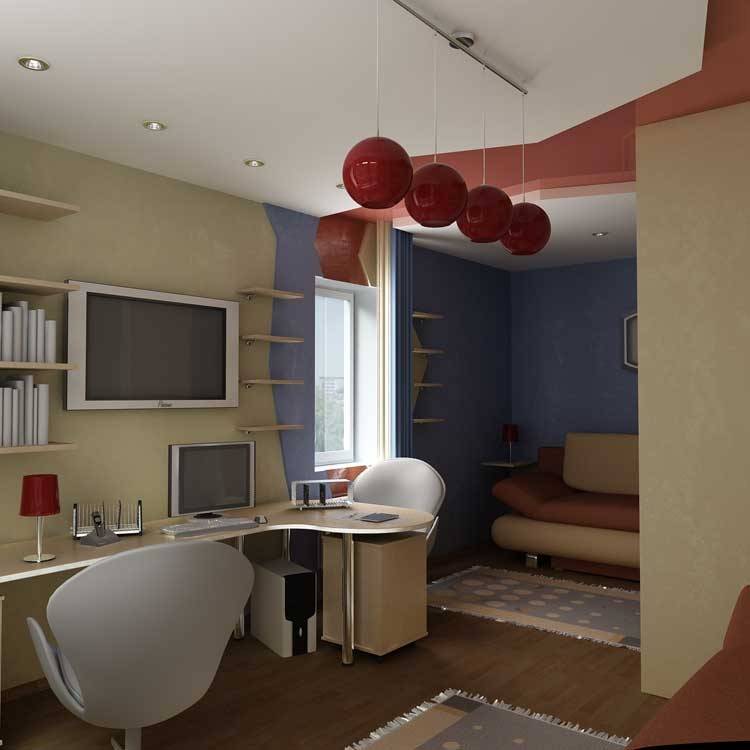
Children’s Room in Deconstructivism Style
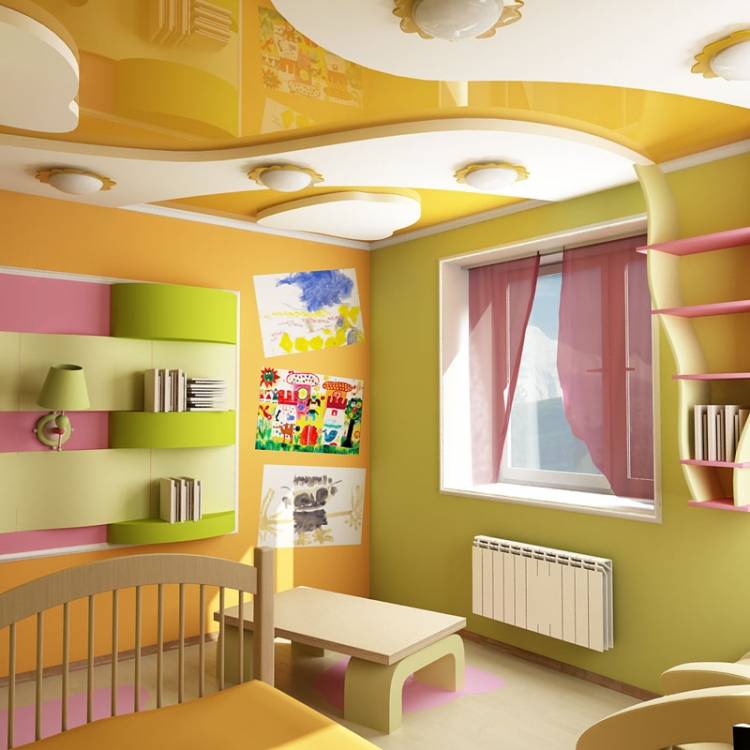
Bright Design of a Children’s Room
Project of a Children’s Room in Vibel Style
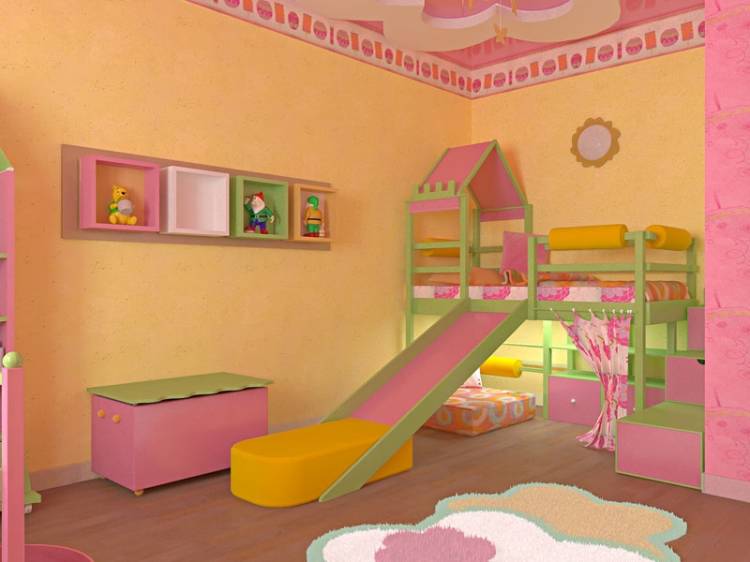
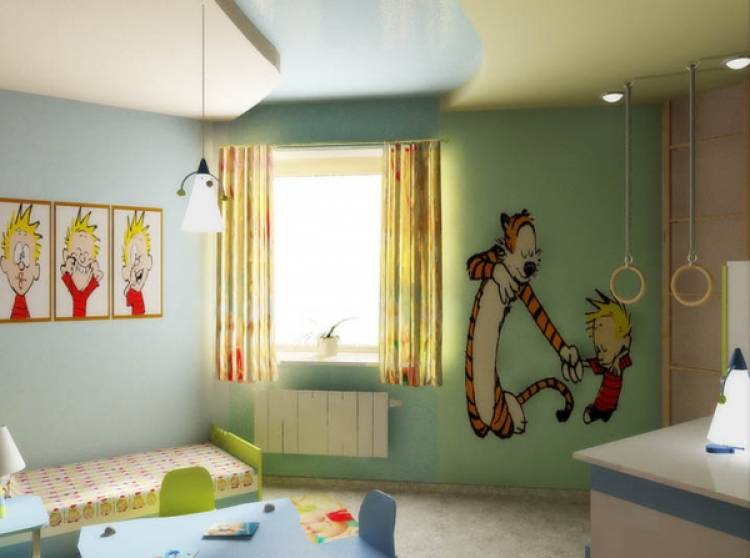
Mural in the Children’s Room
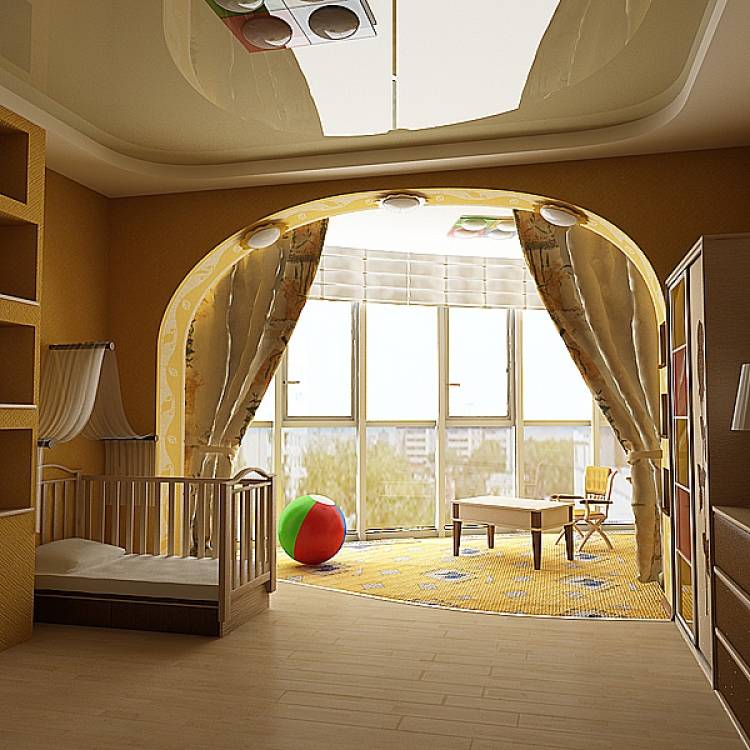
Nursery for a Newborn
Order a design project:
See also: office design project price, development of a redevelopment project, price of interior designer services